Category: DIETRY ADVICE

  • Nutrition and exercise

    Answer these questions honestly to yourself!

    Have you ever gone on a calorie counting diet?  Did you cheat it? Once finished did you go back to your old ways?

    Have you ever gone on a boot camp course only to put the weight back on afterwards?

    Have you ever been on a soup only or other food restricting ridiculous diet?

    Have you ever considered (more…)

  • Sleep – why?

    To effectively lose weight we need to look after our body, and that means let it do what it was designed to do. We need at least 8 hours sleep a night. That means quality sleep (more…)

  • Omega 3

    Omega 3

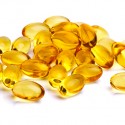
    There are actually three types of fatty acids that are collectively referred to as omega-3’s: ALA (alpha-linolenic acid), EPA (eicosapentaenoic), and DHA (docosahexaenoic acid). Besides being hard to pronounce, they are extremely important to your health. Omega-3’s are “essential” fatty acids (more…)

  • Water & hydration

    Water & hydration

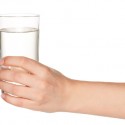
    Water is needed to maintain and regulate a healthy and happy body AND mind.  Best of all it is free(ish).  We are given guidelines of 8 cups of water to drink per day.  This should be increased if you take part in exercise so that essential fluids are replaced and maintained.  Slight dehydration can affect our physical performance in sports by up to 15% and can greatly reduce our mental capacity.  Many primary schools now allow pupils to take water into class with them, and have seen massive improvements in pupil’s alertness and in aptitude & mental learning ability and memory recall.  A good way (more…)

  • Protein

    Protein is the building block of life.  It helps to build muscle and tendons, repair the muscles in need of it and regulate hormones. Meats, white fish, shellfish, eggs, beans and nuts are common examples of foods that contain significant amounts of protein.

    It is probably a safe bet, to say (more…)

  • Fats

    Everybody wants a flat stomach with a six pack, and can probably feel the six pack buried in there somewhere – but why won’t it show it’s face??  The answer is that it’s hidden beneath a layer of fat.  To have a six pack you need to drastically reduce your fat intake so your abs have nowhere to hide!

    Again, understanding what foods and drink are high in fat are the key.  You might not eat chips and think you have cut it out, but have you?

    Your body does need fat – just the (more…)

  • Carbohydrates

    Carbohydrates provide our muscles with fuel and they are our most efficient way of receiving energy. They are mainly divided into two groups: simple carbohydrates, and complex carbohydrates.

    Simple carbohydrates (including fruit and sweets, fizzy drinks and chocolates) are the most basic form of sugar and provide a quick, short energy burst that doesn’t last. They only add extra calories and not many nutrients.

    Foods higher in carbohydrates include ones that provide dietary fibre and whole grains as well as those without added sugars. Natural food sources of carbohydrates include grains (rice, cereal); fruits (apples, oranges, bananas); starchy vegetables (peas, potatoes, corn); and dairy products (milk, cheese, yogurt). To understand the functioning and role of carbohydrates, it is very important to know its types.

    The two vary nutritionally, and are broken down in different ways during digestion. (more…)

  • Jantastic

    JANTASTIC

    Over the month of January, we set our members the task of (more…)

  • Alcohol and athletic performance

    The effects of alcohol can depend on the amount consumed, the environmental context, and on the individual. Daily consumption of up to four drinks may have a protective effect on the cardiovascular system. Nonetheless, people most commonly drink for alcohol’s anxiolytic (stress-reducing) property. Conversely, alcohol has a wide spectrum of (more…)

  • What is cellulite and what causes it?

    Some people will tell you that cellulite is just fat, plain and simple. Others will say that cellulite is composed of trapped toxins and excess water underneath the skin. The truth is that cellulite is a condition that affects the appearance of the skin in areas with underlying fat deposits (most noticeably on the buttocks and thighs), giving the skin a dimpled, lumpy appearance. (more…)